High mileage, repeated repairs, and a slow loss of power can eventually push a BMW engine to the point where small fixes are no longer enough. The car may still start and drive, but it feels tired, uses more oil, and never quite runs as smoothly as it used to. At that stage, an engine overhaul or replacement becomes part of the conversation instead of another quick repair.
What We Mean By a BMW Engine Overhaul
An engine overhaul is more than swapping a couple of gaskets. It usually means removing the engine, stripping it down, and inspecting major internal parts like pistons, rings, bearings, and cylinder walls. Anything out of spec is repaired or replaced, worn surfaces are machined, and seals and gaskets are renewed. The goal is to bring the engine as close as reasonably possible to its original performance and reliability, not just patch one obvious problem.
In some cases, it makes more sense to install a quality remanufactured engine instead of rebuilding the original, especially if there is serious block or head damage. That decision depends on the specific BMW model, mileage, and what our technicians find during the initial inspection.
Early Performance Clues Your BMW’s Engine Is Tired
Most engines do not suddenly wake up one day and need an overhaul. You usually get a set of early clues, such as:
- Noticeable loss of power, especially on hills or highway merges
- Rough idle that continues even after basic tune-up parts are replaced
- Poor fuel economy compared with what the car used to deliver
- Hesitation or stumbling when you accelerate, even with no obvious fault codes
These symptoms can be caused by smaller issues at first, like sensors or ignition parts. When repeated repairs in those areas do not restore normal power, deeper engine wear starts to move higher on the list of suspects.
Warning Sounds and Smells You Should Not Ignore
Certain noises and smells are worth taking seriously, especially on a BMW that already has some miles behind it. Knocking or deep tapping sounds that rise and fall with engine speed can suggest bearing problems or severe internal wear. A constant ticking from the top of the engine may point to valvetrain wear or oiling issues.
Burning oil smells, especially after longer drives, hint that oil is getting where it should not, such as onto hot exhaust parts. If you ever hear metal-on-metal scraping or a loud, sudden change in engine sound, shutting the engine off quickly can sometimes prevent a complete failure. We have seen situations where a driver kept going for "just a few more miles" and turned a repairable problem into a fully seized engine.
Oil Consumption, Leaks, and Smoke
Most engines use a bit of oil between services, but heavy or increasing consumption is a red flag. If you find yourself adding a quart often or getting low oil warnings before every change, it is time to take a closer look. Blue smoke out the tailpipe, especially on startup or after long idles, often points to worn piston rings, valve guides, or turbocharger issues on certain models.
External leaks from valve cover gaskets, oil filter housing gaskets, and oil pans are common on older BMWs. Those can often be fixed without an overhaul. The concern grows when external leaks are combined with heavy oil consumption and smoke, which tells us the engine may be worn inside as well as outside.
When Repeated Repairs Suggest Deeper Engine Trouble
A big clue that an overhaul might be coming is a pattern of repairs that never quite solves the underlying complaint. Examples include:
- Multiple misfire repairs with coils, plugs, and injectors, but the engine still runs rough
- Repeated check engine lights for the same cylinder or bank
- Ongoing cooling system problems that have led to past overheating events
Overheating is especially rough on BMW engines. A couple of serious overheats can warp cylinder heads or damage head gaskets, which often show up later as coolant loss, white exhaust smoke, or mixing of coolant and oil. At that stage, repairs can get close in cost to an overhaul, and it becomes worth comparing options instead of chasing each symptom one by one.
How Technicians Confirm an Engine Overhaul Is Needed
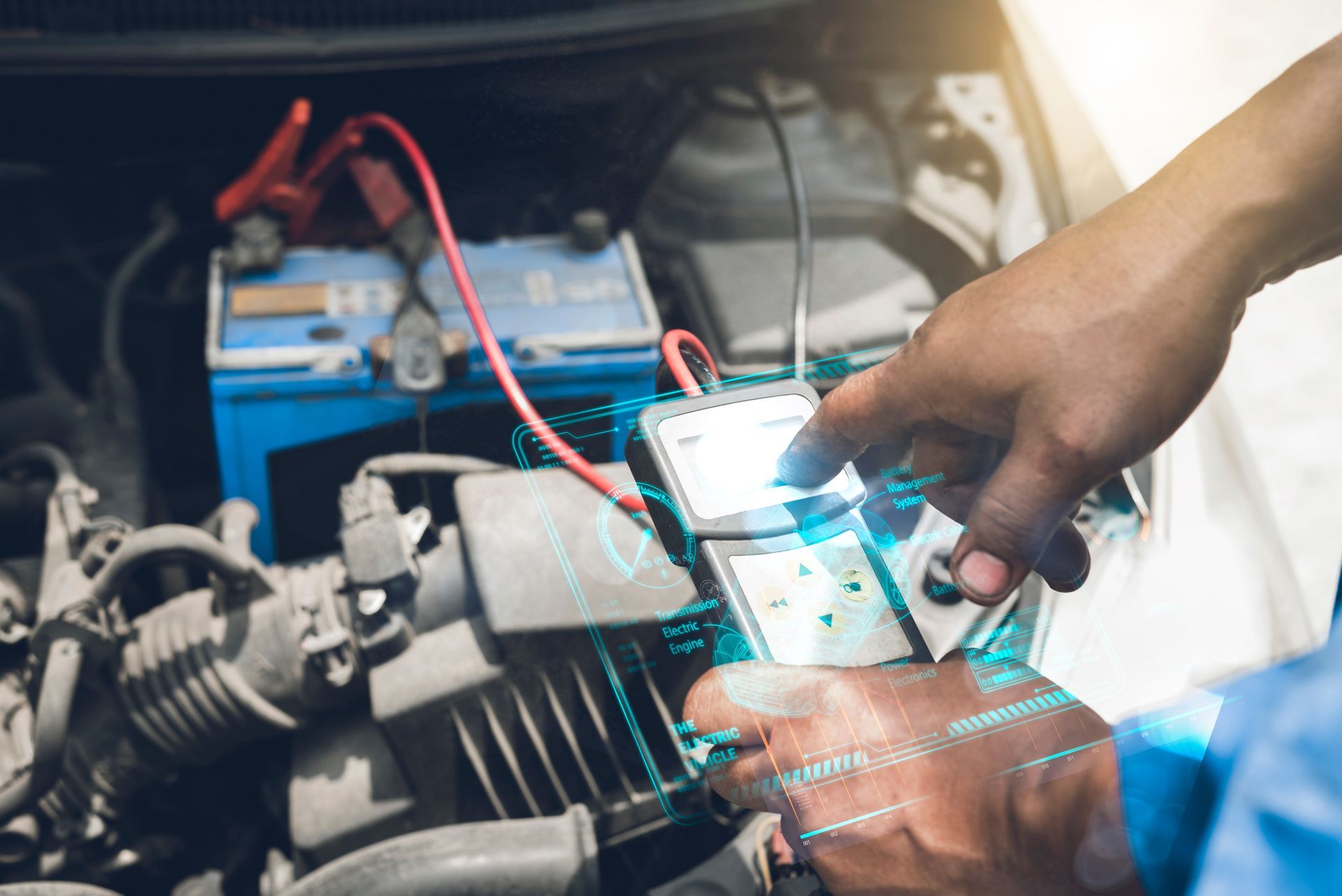
Before recommending anything as large as an overhaul, a thorough engine evaluation should be done. That usually includes compression testing, leakdown testing, checking coolant and oil for cross-contamination, and scanning data to see how the engine is breathing and burning fuel. These tests give a clearer picture of internal wear instead of guessing based on one symptom.
We also look at mileage, service history, and your plans for the car. If you love the BMW and want to keep it for years, investing in an overhaul or replacement might make sense. If you are thinking about moving on in the near future, a more limited repair could be the better option. The key is having accurate information about engine health, so you are making a choice with a full picture of what is going on inside.
Get BMW Engine Overhaul Inspection in Burbank, CA with Eurozone Motors
If your BMW feels weak, uses a lot of oil, or keeps coming back with the same engine problems, it may be time to check whether an overhaul is on the horizon. We can perform detailed tests, explain the results in plain language, and outline your options from targeted repairs to full engine replacement. We want you to understand where your engine stands before you decide what to spend.
Schedule a BMW engine overhaul inspection with
Eurozone Motors in Burbank, CA, and we will help you choose the right path for your car and your budget.